

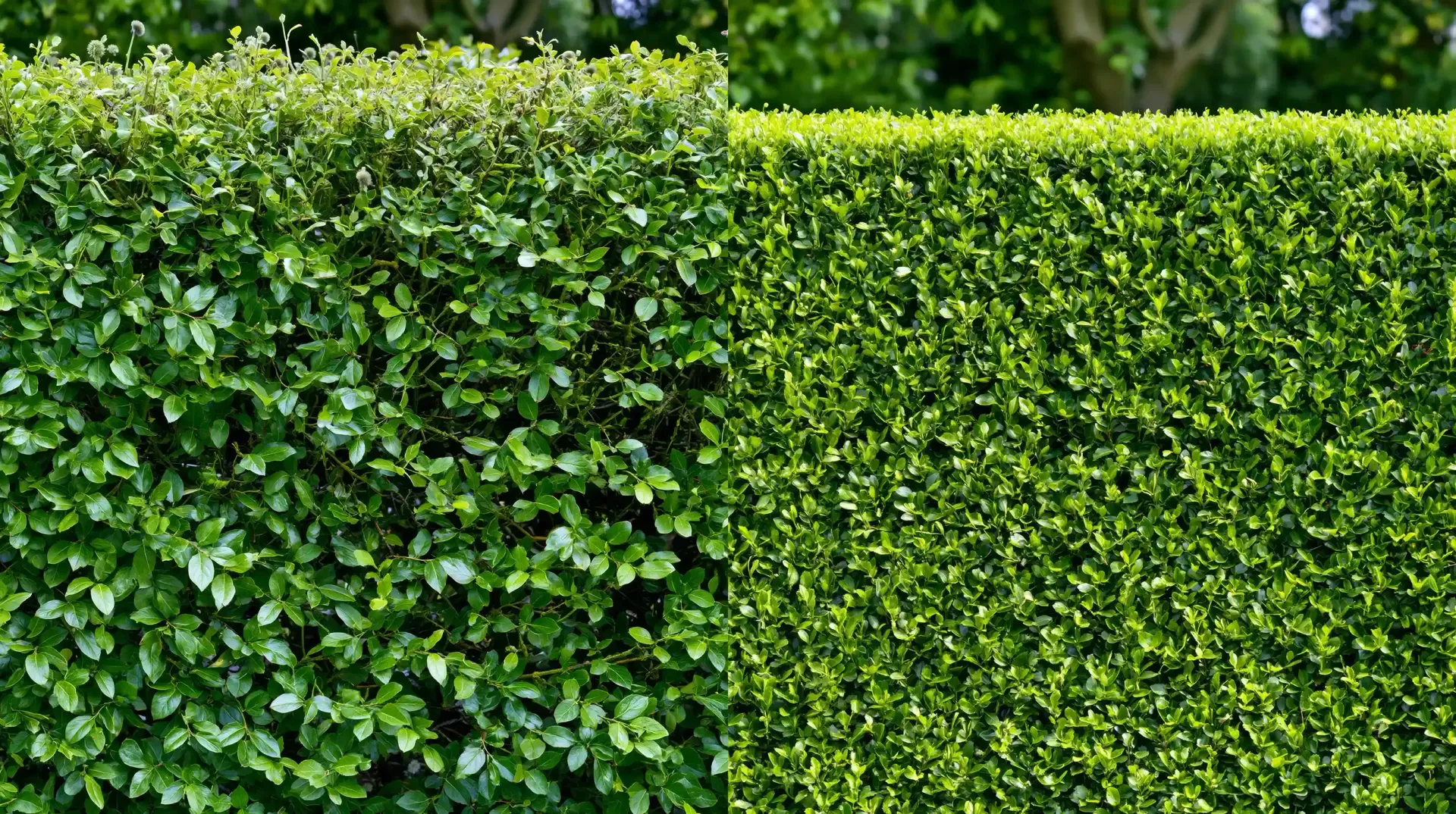
Is It Time to Trim Your Hedges?

This article has been written by

September 15, 2026

A well-maintained hedge can completely transform the appearance of a garden, creating privacy, structure, character, and year-round greenery. However, many homeowners are surprised to learn that regular trimming is not just about appearance. It is also essential for maintaining a healthy, dense hedge that looks lush from top to bottom.

Hedge Varieties

In South-East Queensland and Toowoomba in particular, some of the most popular hedging plants include:

  • Lilly Pilly
  • Murraya (Mock Orange)
  • Viburnum
  • Photinia
  • Camellia

These varieties thrive in our climate but each benefit from regular maintenance to keep them looking their best.

When Is the Best Time to Trim Hedges?

For most evergreen hedges, the ideal time for a major prune is late winter to early spring, just before the main flush of new growth and flowering begins. This allows plants to recover quickly and produce vigorous growth throughout spring and summer.

Once the growing season begins, lighter shaping trims should be carried out regularly to maintain a structurally sound (reduces fall out from the elements), neat appearance and encourage dense growth.

Species-Specific Guide

Lilly Pilly

  • Major shaping: Late winter to early spring
  • Extremely responsive to pruning and can tolerate heavier cutbacks when required.

Murraya

  • Major shaping: Late winter to early spring
  • Regular light trims encourage dense foliage and help maintain flowering. 

Viburnum

  • Generally requires less frequent pruning
  • Heavy pruning is best undertaken in early spring.

Photinia

  • Responds well to pruning during spring and summer
  • Regular trimming promotes colourful red new growth and dense screening.

How Often Should Hedges Be Trimmed?

One of the most common mistakes homeowners make is waiting until a hedge becomes overgrown before trimming it back.

The secret to a full, dense hedge is regular light trimming rather than infrequent heavy pruning. Frequent trimming encourages branching and fills in gaps before they become noticeable.


When Should Hedges Be Fertilised?

Fertilising supports strong regrowth after pruning and keeps foliage healthy and vibrant.

For most hedges, we recommend:

  • Applying a quality slow-release fertiliser in spring as active growth begins
  • Applying a second feed in autumn for established hedges if required
  • Watering thoroughly after fertilising and pruning

A healthy feeding program helps encourage dense foliage, stronger root systems, and improved resilience during hot weather.


What Happens If My Hedge Needs a Large Cut-Back?

Sometimes hedges become too tall, too wide, or start developing gaps and woody stems. In these situations, a rejuvenation prune may be recommended.

Homeowners should be aware that immediately after a major cut-back, a hedge can look quite sparse, bare, or even a little shocking. This is completely normal.

The good news is that species such as Lilly Pilly and Murraya are very resilient and generally respond well to heavier pruning when undertaken at the correct time of year.

Depending on:

  • the plant variety,
  • the time of year,
  • rainfall,
  • fertilising, and
  • overall plant health

Many hedges will begin producing significant new growth within a few weeks during spring and summer, with a noticeably fuller appearance developing over the following few months. Fast-growing species may regain much of their density within a single growing season.

We recommend after a big cut back, following up with additional frequent visits (usually 2-3) to trim the new fluffy regrowth to speed up the process of lateral growth, covering the sticky appearance and eliminating apical dominance.


Need Help With Your Hedges?

If your hedge is starting to look overgrown, patchy, or difficult to manage, now is an excellent time to schedule a professional assessment. Regular maintenance throughout the year can keep hedges healthy, attractive, and far easier to manage than waiting until they require a major cut-back. 

Contact us today to discuss a hedge maintenance program tailored to your garden.


🌿 Did you know?

A fast-growing Lilly Pilly or Murraya hedge can require trimming every 4 to 6 weeks (often even more with a wet season) during spring and summer to maintain that dense, perfectly manicured appearance many homeowners love.

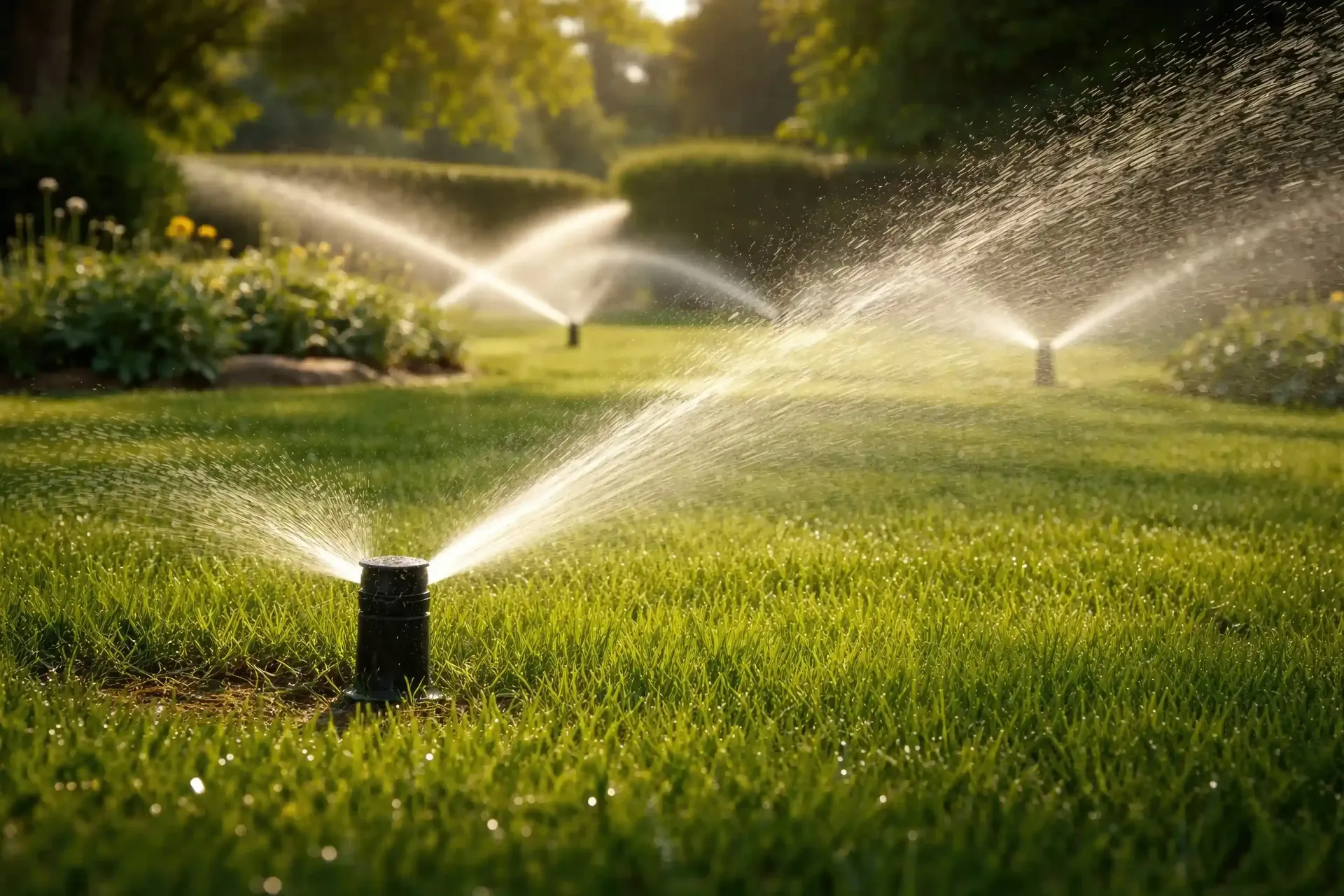
Sprinklers watering a lawn
September 17, 2026
Get your garden ready for warmer weather with irrigation servicing, repairs and installation for healthier lawns and gardens in Toowoomba.

Welcome - The Gardening Group
September 5, 2026
Meet The Gardening Group, providing gardening, mowing, landscaping and property maintenance across Toowoomba and surrounding areas.
Sprinklers watering a lawn
September 17, 2026
Get your garden ready for warmer weather with irrigation servicing, repairs and installation for healthier lawns and gardens in Toowoomba.
Welcome - The Gardening Group
September 5, 2026
Meet The Gardening Group, providing gardening, mowing, landscaping and property maintenance across Toowoomba and surrounding areas.

Share this article